
Marketing automation software helps grow your business and improve customer experience. This article details the top marketing automation platforms around to help you decide which one is right for you.
Marketing brings together so many different elements that it’s hard to know where to begin. This is where marketing automation services can help. These platforms automate marketing tasks so you can drive sales and build deeper customer relationships.
To help you compare the different solutions, we’ve picked out the best digital marketing automation tools available along with the features that set them apart.
The information in this article was last updated on March 13, 2026.
Try Brevo for free
Send 300 free emails a day and create multi-step marketing automations for up to 2,000 contacts.Table of contents
- The top marketing automation software at a glance
- What is marketing automation software?
- Popular marketing automation software features
- Our methodology at Brevo: How we tested
- The 11 best marketing automation tools for 2026
- How to choose the right marketing automation platform for your business
- Get started with marketing automation software
The top marketing automation software at a glance
All prices are based on monthly plans (cheapest plan available per number of contacts).
What is marketing automation software?
Marketing automation software helps businesses to streamline marketing processes, create automated workflows, and avoid repetitive tasks in digital marketing.
It's no secret that marketing automation software is a game-changer for many companies. That's why 76% of businesses report they use business automation tools.
Here is a brief overview of the use cases where marketing automation systems drive the most significant benefits for marketing teams.
Read more: What is marketing automation and how does it work?
Personalized customer journeys
Marketing automation helps you capture key information, such as contact details or purchase history. This allows you to send targeted marketing campaigns.
It’s impossible to create highly personalized customer journeys without using automation. You can’t know each customer by name or remember which products they prefer—but having a marketing automation platform makes it easier.
Effortless lead capture
Automatically store key lead data for future campaigns. Users usually provide this data via a signup form embedded on your site, landing pages, emails, or chat widgets. Marketing automation software then records the data and sends it to a customer relationship management system (CRM).
Note: you may be wondering whether a marketing automation tool is the same as a CRM. The answer is no. They have different functions but can be integrated to move leads along the purchase funnel.
Read more about combining your CRM and automation tool.
Customer relationship management
Marketing automation helps you send perfectly timed messages across important touch points. That's because most touch points for retention and customer support can be automated. The consolidated customer data then helps you manage the customer lifecycle efficiently.
Here are a few examples of automated relationship management:
- Attract potential customers with targeted, personalized campaigns
- Send a welcome email to start a lead nurturing process with each new lead
- Trigger a special offer email when the customer reaches VIP status, or send a birthday email
- Re-engage idle customers
- Send abandoned cart sequences to recover lost sales
- Ask for feedback after an order
- Reconnect with old customers to offer maintenance services for products they bought before
Discover more marketing automation workflow examples here to boost your customer engagement.
Automated email sequences
Email automation is a way to scale for large and small businesses alike. It lets you reach each customer with the right message at the right time for maximum impact without actually doing anything manually.
Your marketing automation software will keep track of user behavior and trigger emails with relevant content or offers. That’s also known as drip marketing. One of the best uses of it is for abandoned cart emails.
Looking for a dedicated email automation software? Read more here.
Popular marketing automation software features
To compete in 2026, an automated marketing platform needs to do more than just send scheduled emails. Here are some core features to look for:
- Visual workflow builders: A drag-and-drop interface that lets you map out the entire customer journey visually.
- Multichannel automation: The ability to trigger not just emails, but SMS, WhatsApp messages, and web push notifications from a single flow.
- Behavioral triggers: Automations that respond to real-time user actions, such as visiting a specific product page or clicking a link.
- Advanced segmentation: Dynamically organizing your contacts based on their engagement level, purchase history, or demographic data.
- Native CRM & lead scoring: A built-in way to manage contact data and automatically score leads based on how likely they are to convert.
- Reporting & analytics: Detailed dashboards that track revenue attribution, open rates, and conversion metrics to show your ROI.
Quick tip
Want to know how other companies use Brevo to build strong customer relationships? We’ve put together a wide range of case studies for you that show how it’s done. In one of them, Trusted Shops reveals how they reactivated 21% of unengaged contacts with Brevo's marketing automation platform.
Our methodology at Brevo: How we tested
This article covers the best marketing automation softwares, including our own platform, Brevo. We strive to be objective. Our suggestions are based on our own research and experience. We do not earn commissions from any links in this article. To learn exactly how we evaluate tools, check out our dedicated methodology article.
Please note that the features listed here are just a selection of what each software offers. For exact pricing and a full, up-to-date feature list, check the providers' websites.
The 11 best marketing automation tools for 2026
Now, let’s take a look at the top marketing automation tools on the market and what they can do for your business.
1. Brevo
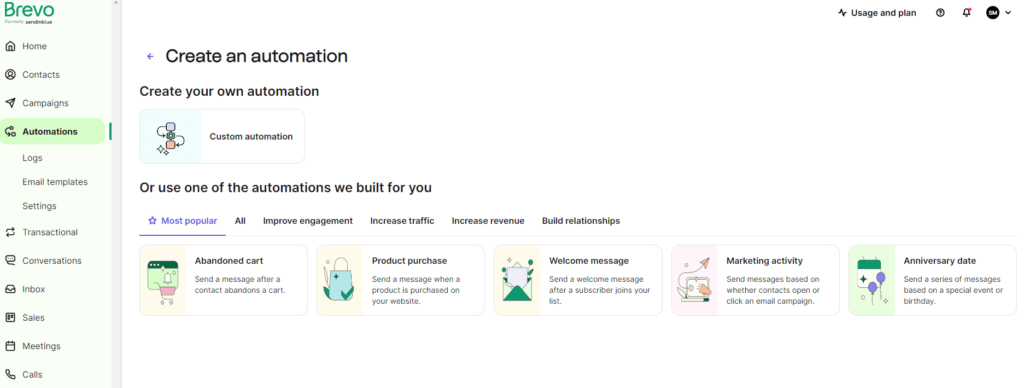
Brevo is an AI-powered all-in-one platform that brings together email marketing, SMS, WhatsApp, and a full Sales CRM. It is specifically designed for growing businesses and supports every stage of the customer journey, from lead qualification to nurturing and post-sale support. Track visitor behavior on your site and create automated workflows for engagement, contact management, and task optimization.
Brevo lets you set up scenarios and marketing workflows to handle most customer interactions automatically. You choose what happens after any customer action. The integrated contact database feeds personalization data and the automation can send emails, manage contacts, trigger notifications, and more on your behalf.
Pros
- User-friendly visual automation builder with branches (if/then rules)
- Complex multichannel automation workflows (SMS, WhatsApp, live chat and more)
- Ready-to-use email templates
- Lead capture & lead scoring
- Email personalization & dynamic content
- Audience segmentation & ready segments to save you time
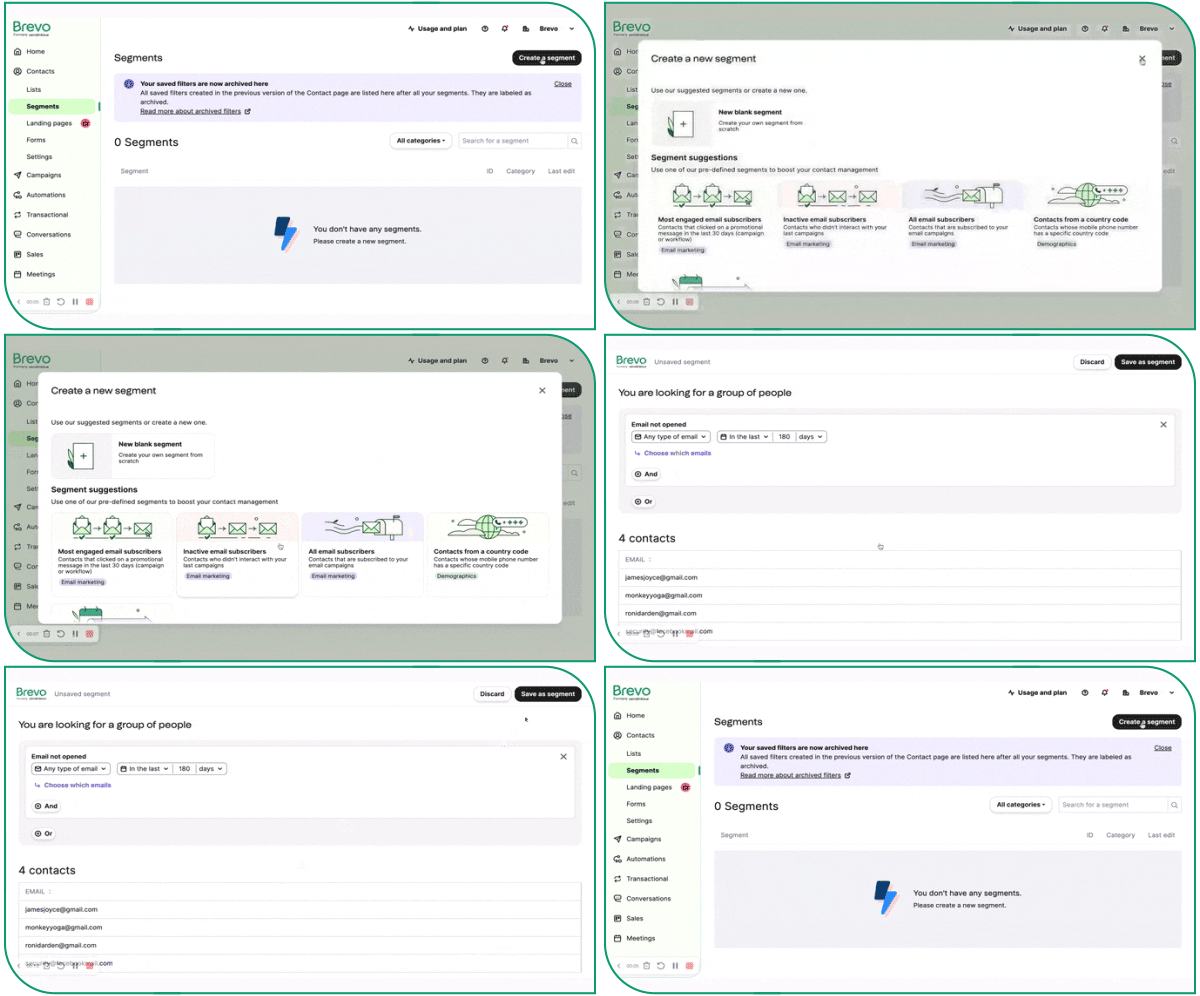
Segments ready to use in your email marketing campaigns to save you time
Cons
- The free plan has a daily sending limit of 300 emails
- Some advanced features, like the landing page builder, are only available on higher tiers
Pricing
- Free plan: 300 emails/day to up to 2,000 contacts
- Paid plan: Starts at $9/month (for 5,000 emails) for the Starter plan. Unlimited marketing automation starts at $18/month.
Best for
Growing businesses looking for an affordable, all-in-one multichannel solution
What users say about Brevo

Exceeding Expectations: A Five-Star Experience with Brevo
"I recently had the pleasure of using Brevo's services, and I must say, my experience was nothing short of exceptional, meriting a full five stars. From the outset, the team at Brevo demonstrated unparalleled professionalism and dedication to customer satisfaction. Their attention to detail and commitment to providing tailored solutions truly set them apart in their field. What impressed me the most was the seamless integration of their services into my existing workflow, which significantly improved my operational efficiency without any hitches. The support team deserves a special mention for their prompt responses and the comprehensive support they provided throughout the process, ensuring a smooth and hassle-free experience. Moreover, the quality of the product exceeded my expectations. It's evident that Brevo invests heavily in research and development to stay ahead of industry trends and offer the most innovative solutions to their clients. This forward-thinking approach is something I greatly appreciate. In conclusion, my experience with Brevo was outstanding. Their blend of cutting-edge solutions, customer-focused service, and expert support makes them a top-notch service provider in their industry. I would highly recommend Brevo to anyone looking for superior services that deliver tangible results."
Bob,
Brevo user
"Really efficient support"
"Really efficient support. They answer pretty quickly to every situation and try to find the best possible solution to every problem."
Driss Hafid,
Brevo user
"Several Sales and Marketing Tools in One System"
"We stumbled upon Brevo by accident as we were using a system just for sending marketing emails. We discovered quickly that Brevo offered multiple different digital sales and marketing tools to enhance both our manual branded client engagement tasks, but also offered automation tools to aid our day to day sales efforts. Brevo has allowed us to move away from three other, separate systems and we now use Brevo for all our outbound sales and marketing endeavours. This has saved us a lot of time and money and has increased our output. The system is easy to use and the support is excellent and prompt."
Stephen Day,
Brevo user
2. HubSpot
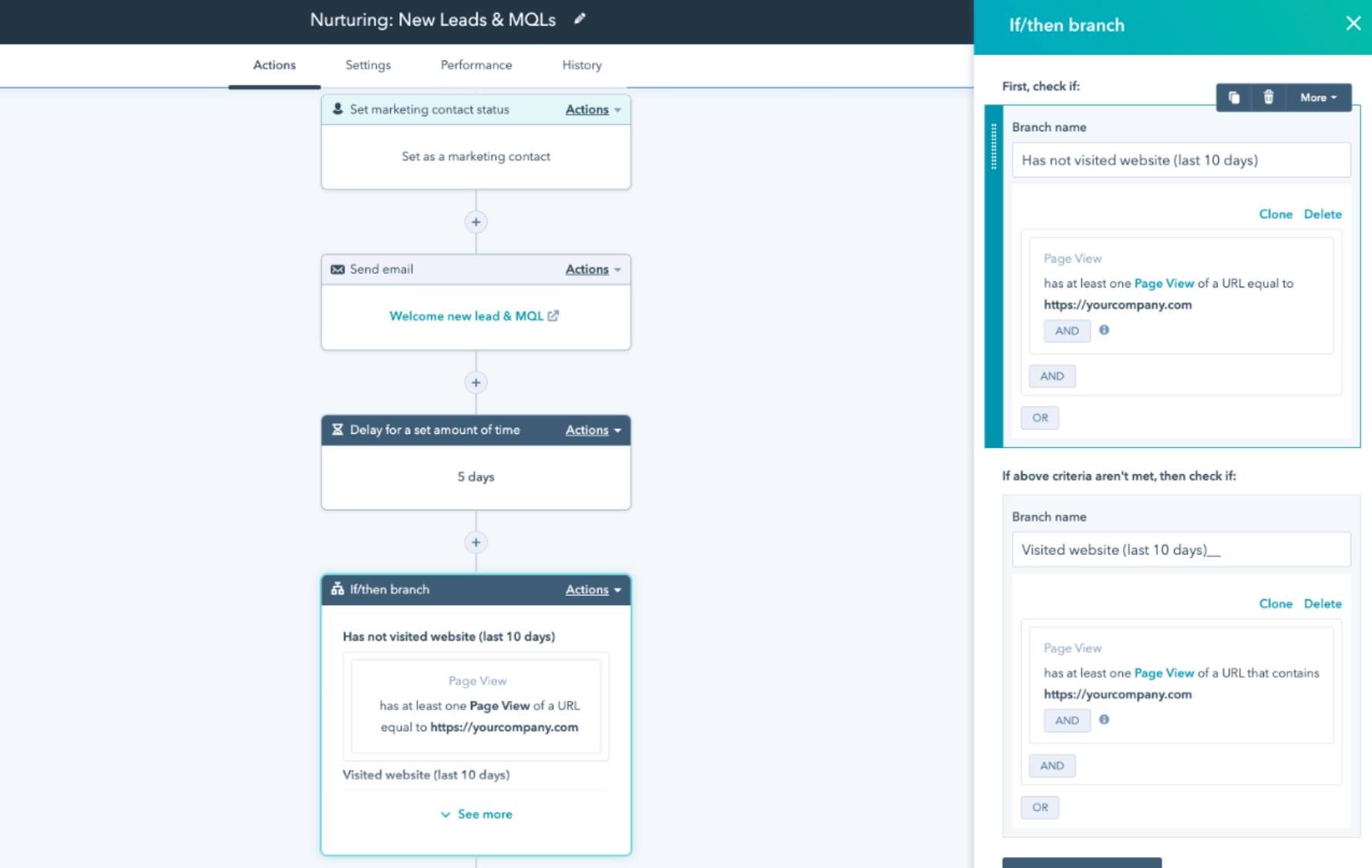
HubSpot is a famous all-in-one marketing automation platform streamlining key processes in sales, operations, and user engagement.
Similar to others on this list, HubSpot offers no-code tools for building automation workflows. Pre-defined triggers, conditions, and actions are ready to use and you can also build custom automations.
Pros
- Unrivaled CRM integration for sales-marketing alignment
- High-end features like predictive lead scoring and SEO tools
- Extensive library of integrations with other apps
Cons
- Can become extremely expensive as your contact list grows
- Some advanced features have a steep learning curve
Pricing
- Free plan: Basic tools available (up to 1,000 contacts)
- Paid plan: HubSpot Marketing Hub starts at $15/month (1,000 marketing contacts); Professional plan (including omnichannel marketing automation features, dynamic personalization, and contact scoring) starts at $890/month for 2,000 marketing contacts
Best for
Mid-market to enterprise companies that need a centralized CRM and marketing powerhouse
What users say about HubSpot
Kyrie Sutton (Trustpilot): We switched from another CRM hoping for better automation and easier reporting. HubSpot CRM does deliver on basic automation and the workflow builder is fairly intuitive once you understand the logic. Still, there’s a learning curve that caught us off guard. [...]
Stacie D. (Capterra): HubSpot has helped us to automate our campaigns, saves me time and effort. With it, I can track who is reached and I know how to contact them.
For more information on HubSpot’s offer check out our detailed comparison of HubSpot and competitors.
3. Salesforce (Marketing Cloud Account Engagement)
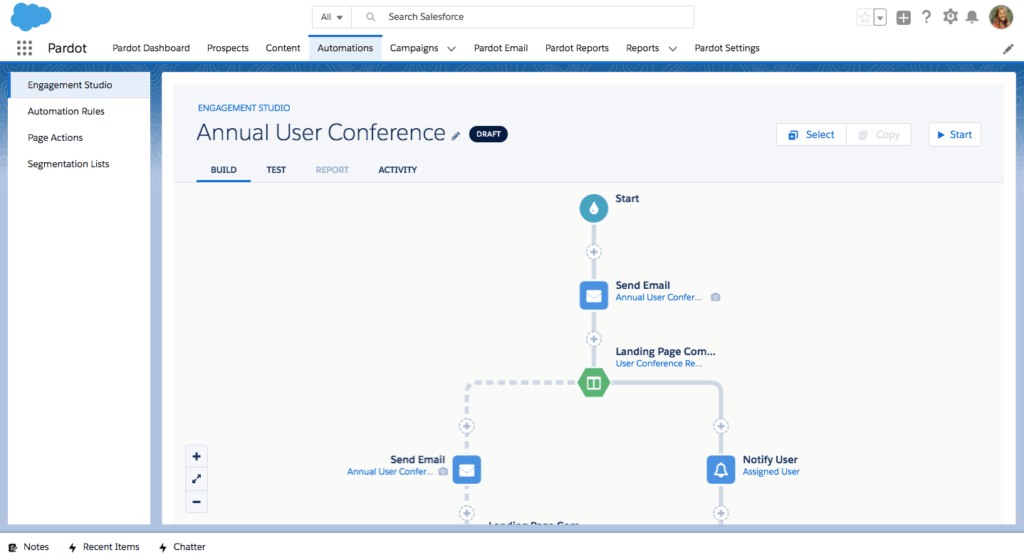
Marketing Cloud Account Engagement, formerly Pardot, is Salesforce’s marketing automation service. Primarily aimed at B2B marketers, it streamlines the sales process of complex organizations.
Features include a landing page builder and smart forms for lead generation, as well as email marketing capabilities that let you segment subscribers and create automated, trigger-based campaigns.
As with all Salesforce products, it can be connected to the rest of the ecosystem, with some limits of data usage between tools.
Pros
- Native, seamless integration with Salesforce CRM
- Powerful lead grading and scoring systems
- Strong focus on B2B relationship management
Cons
- High entry price; no budget-friendly options for small teams
- The interface can be complex and requires Salesforce knowledge
Pricing
- Free plan: None
- Paid plan: Starts at $2,000/month for up to 15,000 contacts
Best for
B2B companies heavily invested in the Salesforce ecosystem
What users say about Marketing Cloud Account Engagement
Dave A (Capterra): I really appreciated how Salesforce Marketing Cloud Account Engagement (Pardot) allowed me to easily create and automate personalized marketing campaigns that significantly improved our customer engagement and conversion rates.
Daniela G (Capterra): Not for new or small companies that can't afford a learning curve of 4-6 months to launch and keep the Salesforce partner or dedicated in-house team to implementation and maintenance.
For more information, check out other Salesforce alternatives.
4. Adobe Marketo Engage
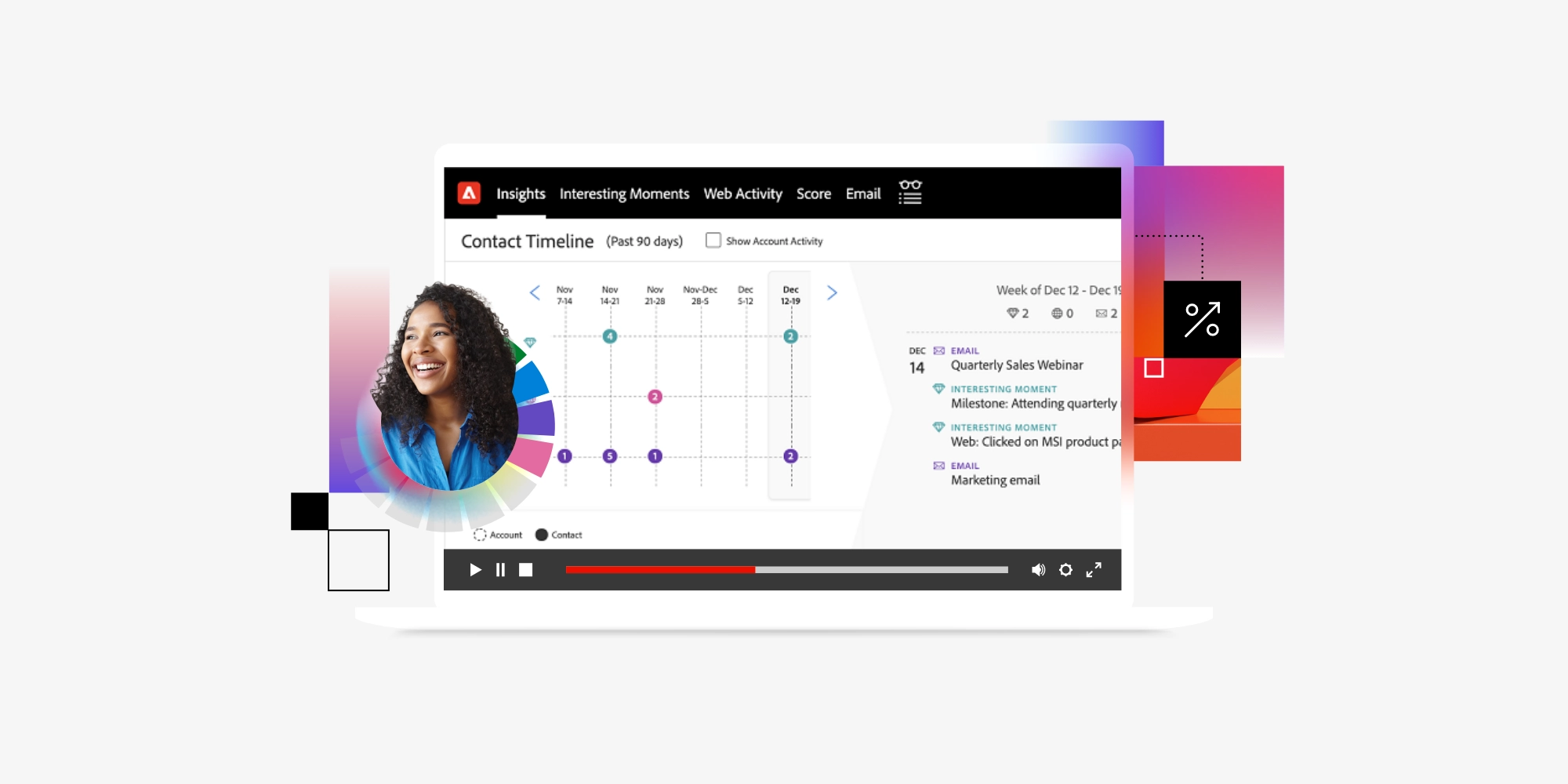
Adobe Marketo Engage is a complete toolkit for both B2B and B2C marketers. It’s a sophisticated marketing automation solution for mid-sized businesses and enterprises.
Pros
- Top-tier lead scoring and nurturing for long B2B sales cycles
- Deep integration with the Adobe ecosystem and Salesforce
- Highly customizable for unique enterprise needs
Cons
- Requires significant technical expertise to manage
- Pricing is not transparent and is generally very high
Pricing
- Free plan: Limited free trial
- Paid plan: Contact sales for custom enterprise pricing
Best for
Large B2B enterprises with dedicated marketing operations teams
What users say about Adobe Marketo Engage
Rares R. (Capterra): Powerful marketing automation tool with a wide range of capabilities.
Manish B. (G2): Great master templates and linked pages, but the editor feels dated and unintuitive.
Read more: B2C marketing automation vs. B2B marketing automation.
5. Oracle Eloqua
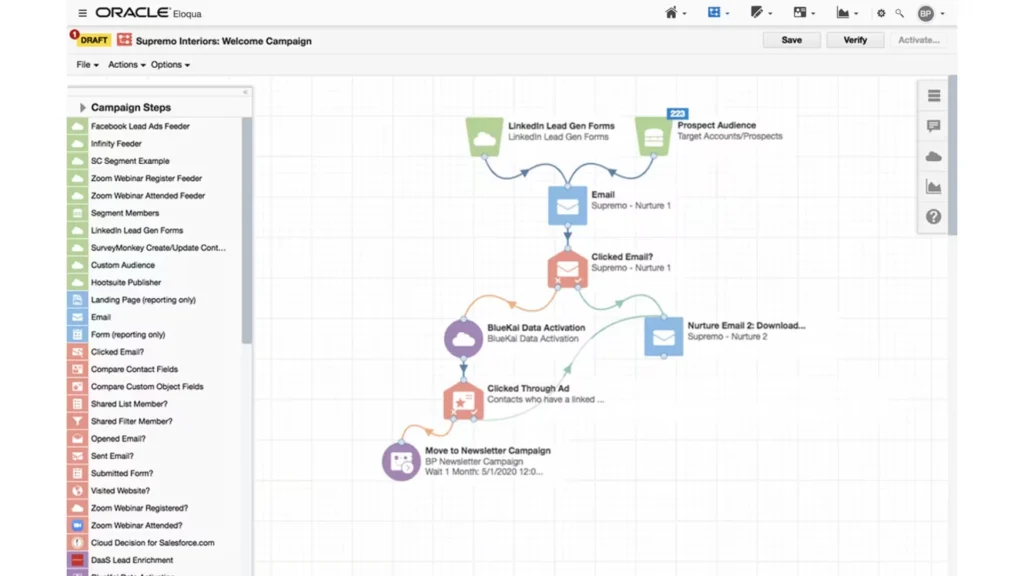
Oracle Eloqua Marketing Automation is a B2B marketing automation solution for mid-sized and enterprise-level companies.
Oracle Eloqua helps B2B marketers create and manage cross-channel B2B marketing campaigns and nurture leads across each stage of the customer journey. Advanced tools for campaign design, lead scoring, and inbound marketing analytics make automation workflows of any complexity possible.
Pros
- Extremely powerful segmentation and targeting capabilities
- Advanced lead scoring that can handle multiple products and business units
- Detailed reporting and attribution for high-volume B2B data
- High level of security and compliance for enterprise organizations
Cons
- One of the most complex platforms to set up and maintain
- Requires specialized training or a dedicated administrator
- High price point makes it inaccessible for small or mid-sized businesses
Pricing
- Free plan: None
- Paid plan: Starts at $2,000/month for the basic tier (10,000 contacts)
Best for
Large-scale B2B enterprises requiring sophisticated lead management across global teams
What users say about Oracle Eloqua
Ankit S. (G2): Perfect marketing automation tool for Enterprise level companies.
Sandy T. (G2): Easy to onboard, needs UI update. is only available on request. However, you should be warned it starts at $2,000 a month for 10,000 contacts.
6. Keap
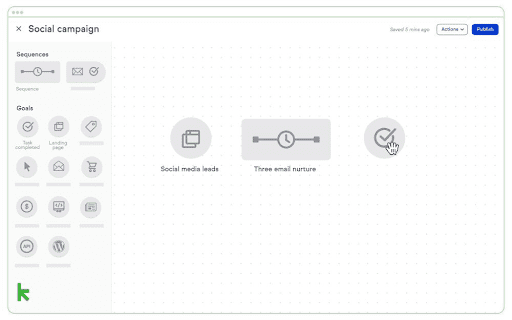
Keap is an all-in-one CRM and marketing automation platform built specifically for small service-based businesses like consultants and agencies.
Keap’s Advanced Automations builder allows for creating advanced nurture sequences, multi-step workflow automations, personalization response triggers, and more. You can also capture lead information like user behavior or preferences and then set up highly personalized automated workflows.
Pros
- Combines CRM, automation, invoicing, and appointments
- "Easy Automations" feature for non-technical users
- Strong emphasis on lead capture and follow-up
Cons
- Very expensive compared to standalone automation tools
- May be too much software if you only need email automation
- Very low Trustpilot score (1.2)
Pricing
- Free plan: 14-day trial
- Paid plan: Starts at $299/month (1,500 contacts)
Best for
Small service-based businesses that need a CRM/invoicing/scheduling hybrid
What users say about Keap
Mikhela C. (G2): Useful automation, but could be pricey for small businesses.
Christian E. (G2): Good CRM starter, but customization and onboarding are challenging.
Related: Discover the top Keap alternatives for small businesses
7. Klaviyo
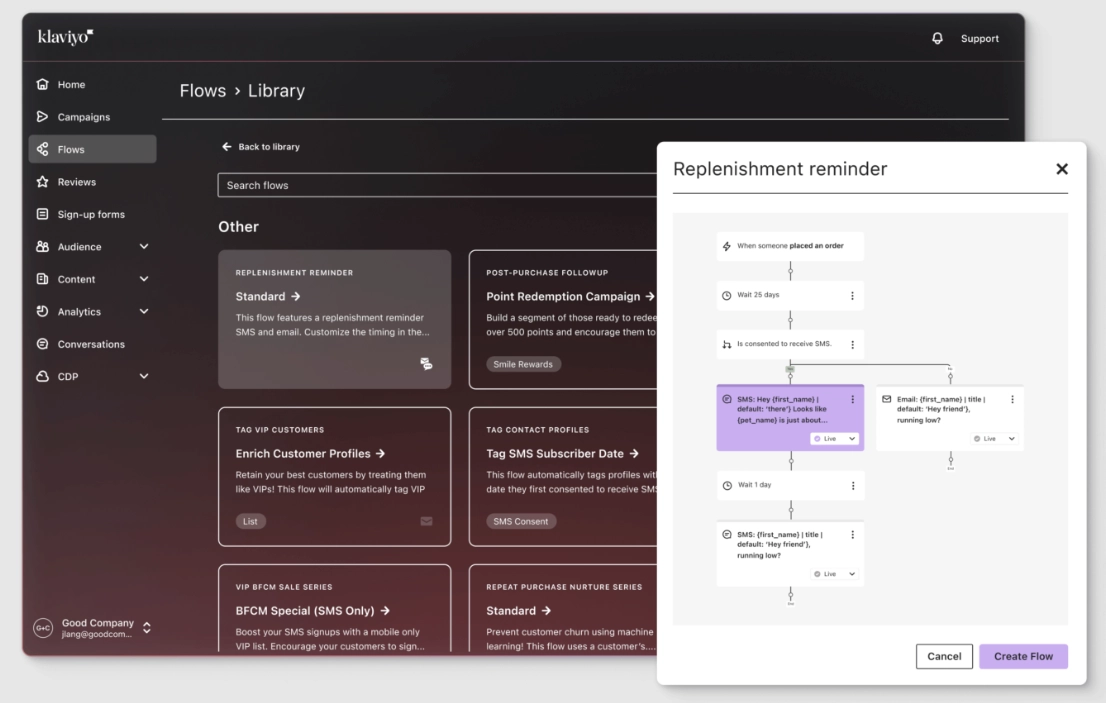
Klaviyo is a tool created for ecommerce brands that want to up engagement levels and enhance the customer experience. It predominantly combines email and SMS marketing software in an effort to build loyal relationships. It could work as a marketing automation platform.
The service integrates with major ecommerce apps as well as Meta ads. There are also prebuilt signup forms to help you grow your email lists and collect customer information for personalization.
Pros
- Superior data integration with ecommerce platforms like Shopify and Magento
- Advanced ROI reporting tied directly to store sales
- Pre-built workflows for common ecommerce automations
Cons
- Pricing scales rapidly with contact count
- Focus is almost exclusively on ecommerce; less versatile for B2B
Pricing
- Free plan: Up to 500 emails/month & 250 contacts
- Paid plan: Starts at $20/month for 500 contacts
Best for
Ecommerce brands that want to maximize revenue through data-driven personalized messaging
What users say about Klaviyo
Daniel Wysocki (Trustpilot): Decent email service, has everything you need to set up campaigns. AI feature is buggy.
Santiago F. (G2): User-friendly and effective for ecommerce automation.
To help you decide whether Klaviyo is right for your business, check out our comparison of Klaviyo alternatives.
8. Act-On
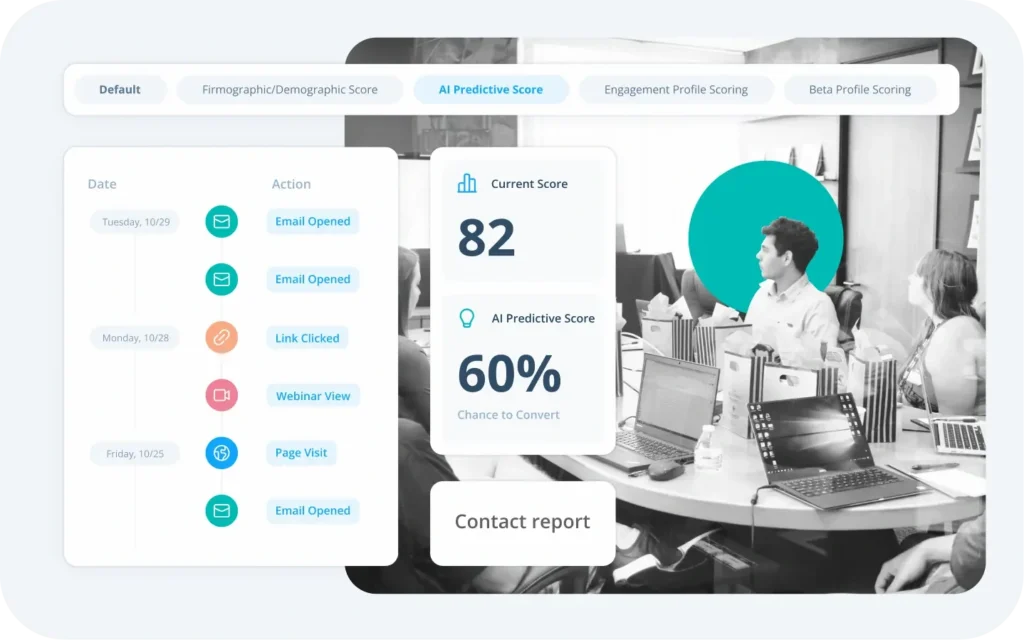
Act-On is a marketing automation provider that helps businesses attract new leads and turn them into customers. The service offers a range of features for automating each step of the marketing process and provides detailed analytics.
Key features include pre-made web and landing pages set up for conversions and forms for organizing and tracking leads, while automated lead scoring helps you identify the most qualified leads and tailor your messaging.
Pros
- Strong behavioral tracking and lead scoring features
- Includes built-in tools for SMS, social media, and landing pages
- Seamless integration with popular CRMs like Salesforce and Microsoft Dynamics
Cons
- User interface can feel less modern than newer competitors
- Pricing can be high for companies that don't need the full suite of tools
- Some features require paid add-ons (SMS automation, transactional email)
Pricing
- Free plan: None
- Paid plan: Starts at $900/month for up to 2,500 contacts
Best for
Mid-market B2B companies that want enterprise-level power with a more intuitive user experience
What users say about Act-on
Devyanish K. (G2): A powerful marketing automation tool with room for UX improvements.
Noah S. (G2): Powerful segmentation with a couple quirks.
9. ActiveCampaign
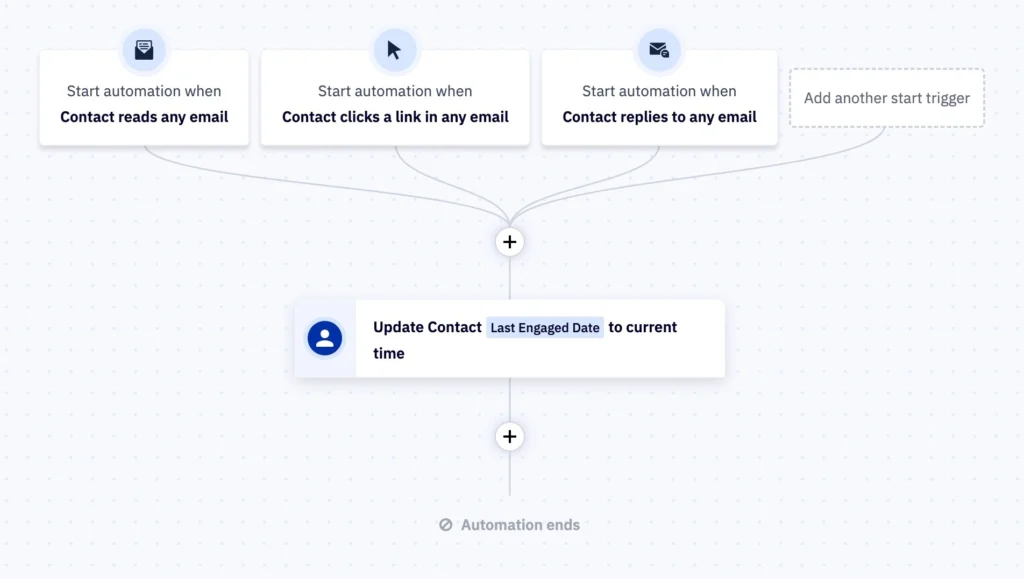
ActiveCampaign is a marketing automation software for small-to-mid-sized businesses, combining tools for email marketing, marketing and sales automation, and CRM. With ActiveCampaign’s drag-and-drop builder and customizable templates, you can create basic and custom automation workflows in minutes.
The software also offers an exclusive feature, Automation Map. This is a tool that lets marketers see how their automations connect to each other. With it, you can easily trace all your workflows, update existing automations, and create new ones.
Pros
- Highly sophisticated automation logic and "if/then" branching
- Built-in CRM with automated deal updates
- Excellent deliverability and reporting
Cons
- No free plan (only a 14-day trial)
- The interface can feel cluttered for beginners
Pricing
- Free plan: 14-day free trial
- Paid plan: Starts at $15/month for 1,000 contacts
Best for
Marketers who need advanced, complex automation workflows and sales tracking
What users say about ActiveCampaign
John Noonan (Trustpilot): The automation and work flow function, though a little clunky, is basically great. I use it not only for Outbound and Inbound (separate workflows) but also Employee onboarding. Not much marketing is done through the application, but these automations save me a lot of time
Jodie C. (G2): Great for automations and staying organised.est plan, you get access to basic marketing automation features, segmentation, lead capture forms, and customer analytics. There’s no free plan, but you can try it for free for 14 days.
For more details of ActiveCampaign’s features and pricing, take a look at our comparison of ActiveCampaign alternatives.
10. Omnisend
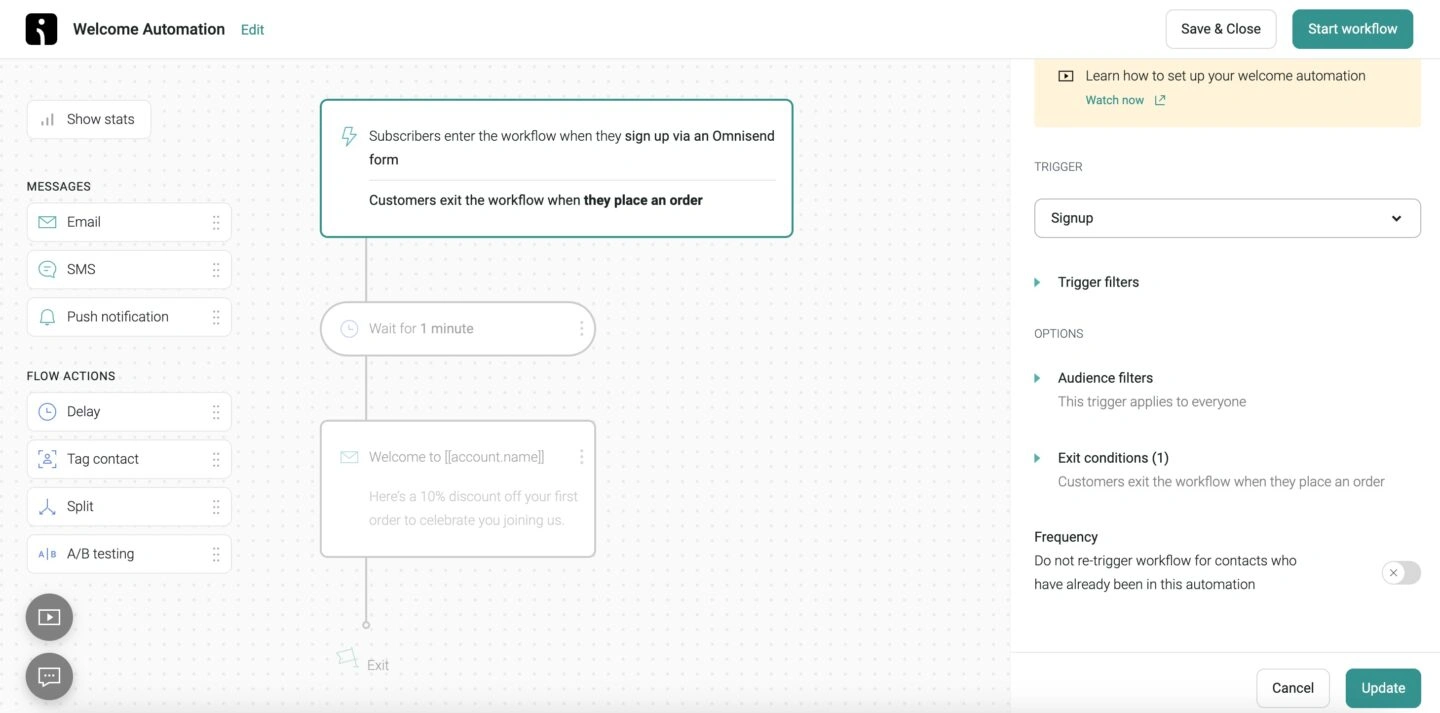
Omnisend combines powerful email marketing capabilities with SMS and other marketing channels. The key is in the name — it specializes in creating a slick digital marketing strategy that spans multiple channels all from one central dashboard.
Another aspect that sets the service apart from other marketing automation solutions is that features are specifically tailored towards ecommerce brands.
You can integrate several different channels into your workflow, create branded emails from premade templates, and tap into automation tools that let you run campaigns on autopilot.
Pros
- Excellent multichannel integration (email, SMS, web push)
- Intuitive drag-and-drop editor for both emails and forms
- Generous free plan
Cons
- Limited functionality for non-retail businesses
- Limited features (e.g., no built-in CRM or WhatsApp marketing)
Pricing
- Free plan: 500 emails/month
- Paid plan: Starts at $16/month for up to 500 contacts
Best for
Ecommerce stores looking for an easy-to-use multichannel automation tool
What users say about Omnisend
Daniel Davoodian (Trustpilot): Omnisend provides a very reliable platform. While there is still room for improvement, they genuinely offer one of the best marketing tools for e commerce stores. [...]
Alexandar I. (G2): Simple yet powerful marketing automation for small ecommerce brands.
11. GetResponse
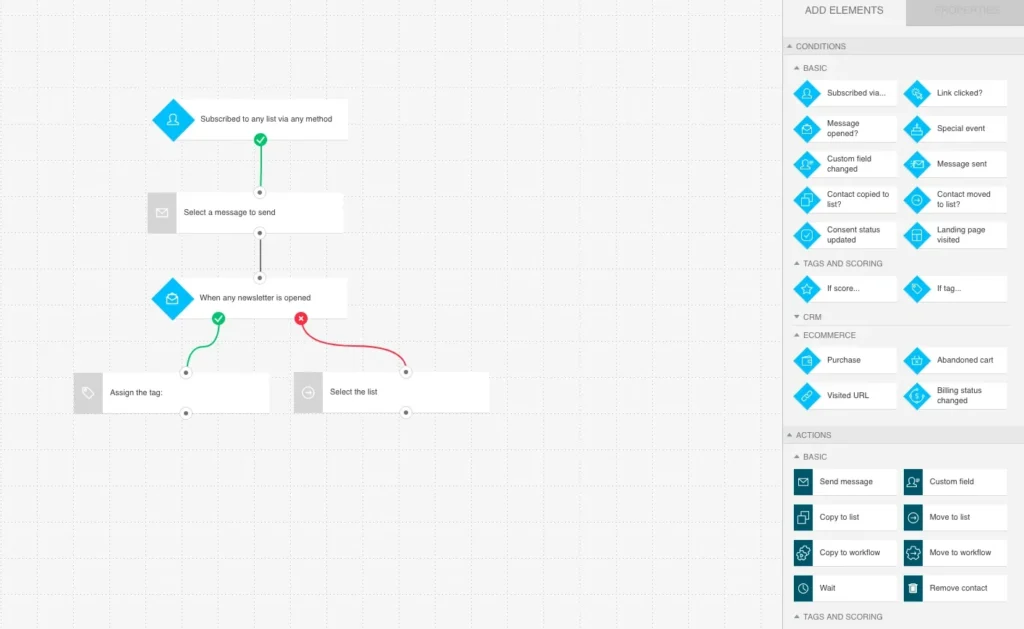
GetResponse is a versatile tool that has evolved from email marketing into a full inbound solution, including unique features like built-in webinar hosting and automated conversion funnels.
Pros
- Ready-made, automated sales funnel creator
- Native webinar software
- Affordable entry point for small businesses
Cons
- Only one custom automation workflow included in the basic tier
- Rather steep learning curve, particularly for advanced automations
Pricing
- Free plan: 2,500 emails/month & 500 contacts
- Paid plan: Starts at $19/month for 1,000 contacts
Best for
Small businesses and content creators who use webinars as a primary lead source
What users say about GetResponse
Donna Antoine (Trustpilot): No need to feel overwhelmed trying to figure out where everything is. The dashboard is clean, and the tools are easy to navigate. [...]
Frozi B. (Trustpilot): Good service, fast replies, and solution-oriented support. Friendly, though sometimes slightly behind the market. Individual designs and mobile responsiveness can occasionally be challenging to optimize.
Further reading: Enterprise Marketing Automation Software: Tips & Tools
How to choose the right marketing automation platform for your business
Ready to reap the benefits of marketing automation? Here are a few factors to take into account when choosing your marketing automation platform:
- Your particular business needs: what features are essential for your team (e.g. CRM integrations, social media marketing)?
- Your budget: what kind of plans does the marketing automation software offer and how much do they cost?
- Your team’s tech savviness: what is the marketing automation tool’s ease of use?
- The size of your contact list: how many contacts or email subscribers do you have?
- The channels you want to automate: do you just use an email marketing tool, or do you also need multichannel features (e.g. SMS, WhatsApp)?
Learn more in our free marketing automation ebook.
Get started with marketing automation software
In the end, choosing the right tool comes down to your business model and your budget. In short:
- Best marketing automation software for small businesses: Keap, GetResponse
- Best free marketing automation tools: Brevo, HubSpot, GetResponse
- Best tools combining CRM & marketing automation: Brevo, HubSpot, ActiveCampaign
- Best for ecommerce: Klaviyo, Omnisend
- Best enterprise marketing automation tools: Salesforce, Marketo, Eloqua, Act-on
Before committing to a paid plan, take advantage of free trials to test the visual automation builder. You want a tool that feels intuitive to your team's workflow.
Ready to start automating? Sign up for Brevo for free and build your first workflow in minutes.