Running a fashion brand in 2026 means competing with Etsy stores, influencer-led brands, and legacy fashion stores all at once. As a new or small fashion brand, marketing can feel overwhelming.
Should you do email marketing?
How many automations should you run?
Will the setup costs be worth it?
The questions are endless.
Email marketing automations for fashion brands are workflows triggered by customer behavior that help clothing and footwear brands recover sales on autopilot and personalize customer experiences.
To create this guide, we reviewed email campaigns from fashion brands across multiple categories, from activewear and footwear to luxury and occasion wear, to identify real-world examples and creative approaches featured throughout this guide.
This guide covers the essential automations every fashion brand should set up, how to prepare your fashion store for automation, and examples from brands already using these tactics to engage customers and drive repeat purchases.
- What do you need to do before your first email automation?
- Which fashion customer segments improve email automations?
- Which 6 essential email automations does every fashion brand need?
- 6 Email marketing automation examples from real clothing/footwear brands
- How to get the most out of your fashion email campaigns
- Which email platform should fashion brands use?
- Scale your fashion email automations with Brevo
What do you need to do before your first email automation?
With retail marketing, it is tempting to jump straight into building automations. However, a few foundational setup tasks can make the difference between an automation that performs well and one that struggles to generate results.
Before launching your workflows, make sure the following pieces are in place:
| CHECKLIST ITEM | WHAT TO DO? |
|---|---|
| Customer consent collection | Ensure subscribers have explicitly opted in to receive marketing emails. This helps maintain compliance and improves deliverability. |
| Signup forms and capture points | Give visitors multiple opportunities to join your email list through pop-ups, embedded forms, and checkout opt-ins. |
| Product collection and categories | Organize products into meaningful collections so you can create cohesive recommendations and promos. |
| Customer tags and seed segments | Decide which customer groups you want to target first, such as new customers, VIPs, category-specific shoppers, or sale shoppers. |
| Subscriber list organization | Create segments and suppression lists to ensure customers receive relevant messages and avoid unnecessary email fatigue. |
| Email authentication | Configure SPF, DKIM, and domain authentication settings to improve inbox placement and sender reputation. |
| Tracking and attribution | Verify that revenue attribution and key e-commerce metrics are registering correctly before launching automations. |
| Integration setup | Confirm that your email platform and other external apps are syncing data correctly and not working in isolation. |
Completing these steps before launch can save significant troubleshooting time later and give your automations a stronger foundation for long-term performance.
Which fashion customer segments improve email automations?
Instead of sending the same email automation to everyone, tailor your messaging based on factors such as product category, purchase history, collection affinity, average order value, or engagement level.
Fashion is a highly personal category. Your automations and segmentation should reflect that through specific cohorts:
| SEGMENT TYPE | EXAMPLE | BEST USE CASES |
|---|---|---|
| Style preference | Minimalist vs. maximalist Casual vs. workwear Activewear vs. loungewear | Product recommendations and collection launches |
| Product category affinit | Footwear: boots vs heels vs Mary-Janes Clothing: dresses vs. co-ord sets vs. tops | Cross-sells, back-in-stock alerts |
| Size-based segments | XS for tops, but S for dresses | Inventory-driven campaigns |
| Occasion-based shoppers | Weddings vs. vacations vs workwear | Seasonal campaigns |
| Trend-driven vs classic buyers | New-drop shoppers vs staple buyers | Product launches |
| Seasonal shoppers | Holiday shoppers, wedding season shoppers, vacation shoppers | Timely promotions with lookbooks |
| New vs repeat customers | Buyer who has made one purchase vs. buyer who purchases once each month | First-time shoppers often need more education and reassurance. Repeat customers may respond better to loyalty rewards and product recommendations. |
| VIP Customers | Customers who purchase every collection or shop multiple times per month/quarter | Reward your most valuable customers with exclusive access, early product launches, and special offers |
| High-AOV customers | Shoppers with an average order value above $250 | Customers with higher average order values may be more receptive to premium product recommendations and personalized experiences. |
| Full-price vs. discount-driven shoppers | Customers who rarely use discount codes vs. customers who only purchase during sales | Avoid offering discounts to customers who are already willing to purchase at full price. |
Start with the customer groups that align most closely with your catalog and shopping patterns, then expand your segmentation strategy as you collect more data.
Here is a detailed breakdown of how to approach the fashion-specific segments:
Style preference
Fashion shoppers often develop preferences that go beyond individual products. Some gravitate toward minimalist basics, while others consistently engage with trend-led collections, occasion wear, activewear, or streetwear.
Tracking these preferences can help you send more relevant product recommendations, new arrival alerts, and collection launches. A customer who frequently shops workwear is unlikely to engage with the same campaigns as someone browsing vacation-ready styles.
Product category affinity
For example, a shopper who primarily buys footwear may respond well to back-in-stock alerts for different colors of the same footwear, new sneaker releases, and footwear accessory recommendations.
Someone who regularly purchases dresses may be more interested in styling content, occasion-based collections, or complementary products.
Using category affinity in your automations helps ensure customers receive recommendations that align with their existing interests instead of generic product suggestions.
Size-based segments
Size-based segmentation can improve the relevance of back-in-stock alerts, new arrival announcements, and inventory-driven campaigns.
Rather than notifying every subscriber when a product is back in stock, you can target shoppers whose preferred size is available, creating a better customer experience while reducing unnecessary email volume.
Occasion-based shoppers
Some customers primarily shop for weddings, vacations, holiday parties, professional events, or seasonal wardrobe updates. These shoppers may go months without purchasing before becoming highly active for a specific period.
Recognizing these patterns can help you build more relevant automations.
Trend-driven vs. classic buyers
Trend-driven shoppers typically respond well to exclusivity, limited releases, and early-access launches, while classic buyers may engage more with evergreen products, quality-focused messaging, and replenishment recommendations.
Understanding the difference allows you to tailor both your promotional campaigns and automated journeys more effectively.
Which 6 essential email automations does every fashion brand need?
The best-performing fashion brands typically start with a handful of email flows (while often using email templates) that support the most important stages of the customer journey.
The table below outlines the six automations you should prioritize as a fashion brand:
| AUTOMATION TYPE | PRIMARY GOAL | WHAT IT COULD INCLUDE |
|---|---|---|
| Welcome Series | Introduce new subscribers to your brand | Brand story, bestsellers, first-purchase incentive |
| Cart Abandonment | Recover shoppers who leave products behind before checkout | Product reminder, incentives, social proof |
| Post-Purchase Emails | Improve customer experience after purchase to encourage repeat orders | Styling tips, care instructions |
| Back-in-stock Alerts | Notify shoppers when unavailable products have been restocked | Product details, inventory urgency |
| Flash Sale/Price Drop Alerts | Create urgency and attract discount hunters with price drops | Sale details, countdowns for urgency |
| New Product Launches | Generate excitement and drive early sales | Collection story, hero products, styling inspiration, early-access opportunities |
Once these automations are performing well, consider expanding into VIP campaigns, win-back campaigns, and newsletters.
6 Email marketing automation examples from real clothing/footwear brands
The e-commerce automations above form the foundation of email marketing for fashion brands.
To see how these work in practice, here are some examples from real fashion and apparel brands.
1 - Welcome series: Help new shoppers know your why
Fashion shoppers rarely subscribe because they need another skirt or pair of sneakers. They subscribe because something about the brand caught their attention.
Maybe it was your sustainability mission.
Maybe it was your approach to sizing or a focus on a specific market segment.
Maybe it was your aesthetic.
When they understand your “why,” they can gauge whether they can trust you. Here is a welcome email example by Girlfriend Collective, an activewear brand:
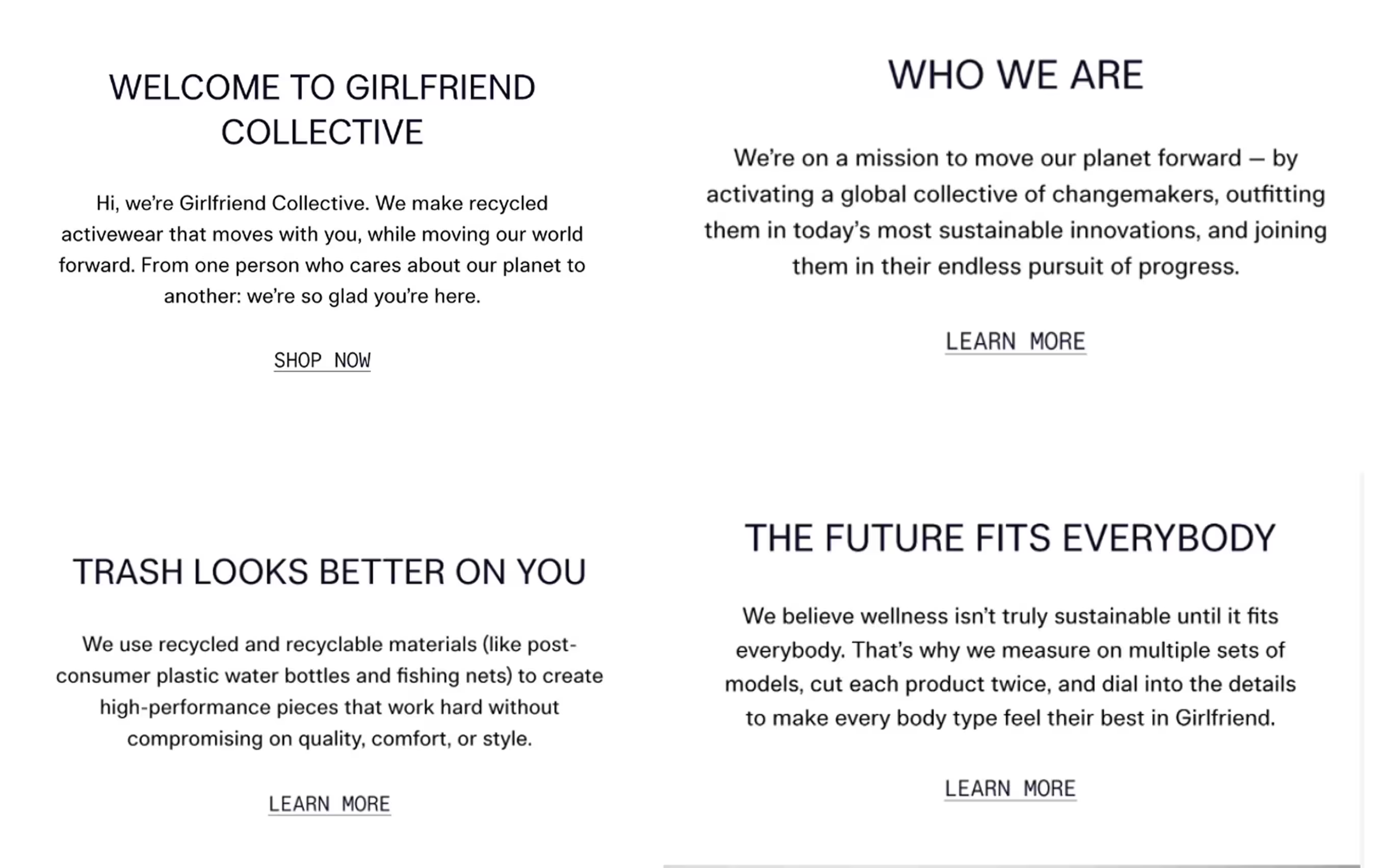
This entire story in their welcome email is interspersed with high-quality product images to showcase their bestseller and provide visual breaks.
The focus on sustainability (the USP), activewear (main product category), and the ethical sourcing behind their clothing (the “what” and the “how”) cover all the key elements, so customers know exactly the kind of product they have signed up for.
2 - Cart abandonment recovery: Answer all their questions
If your customers have abandoned their cart, they may have simply forgotten. Or…
They may be scoping out your competitors.
Or wondering if your product quality is good.
Or even questioning whether they picked the right size or fit.
Some customers may also simply delay deciding to complete the purchase because they have no idea whether the item will be delivered in time for the specific event they need it for, whether it be a vacation, date night, gym class, etc.
Try to answer these questions or open the channels of communication in your ACR emails.
Here is an abandoned cart email example by Alo Yoga, an apparel store:
Like all e-commerce brands, regardless of niche, should do, this fashion brand:
- Identifies the product left in the cart with the name and product image
- Adds a clear CTA button
- Includes a trigger (in this case, it’s FOMO, by identifying the number of carts the product is currently in)
It also includes elements specific to a fashion brand, such as a size guide link.
Beyond that, there’s a customer FAQs button that lets customers find answers to frequently asked questions about the brand’s products. Making these answers easy to find allows customers to move further in their buying journey.
3 - Product recommendations: Curate seasonal lookbooks
Fashion customers rarely shop for a single product. More often, they are building an outfit, a look, or a packing list.
That is why fashion brands should think beyond standard cross-sell and upsell recommendations. Sure, you could stop at generic recommendations, best sellers, or recommendations based on a customer’s purchase history.
But you can also take it a step further with seasonal lookbooks that help customers visualize how your pieces work together.
Create lookbooks based on the time of the year.
These lookbooks could be based on seasons (summer lookbooks, winter outfit suggestions, and so on) or events and festivals (wedding season, vacation OOTDs).
Here is a product recommendation/look-book email example by Velasca, an Italian clothing brand for men:
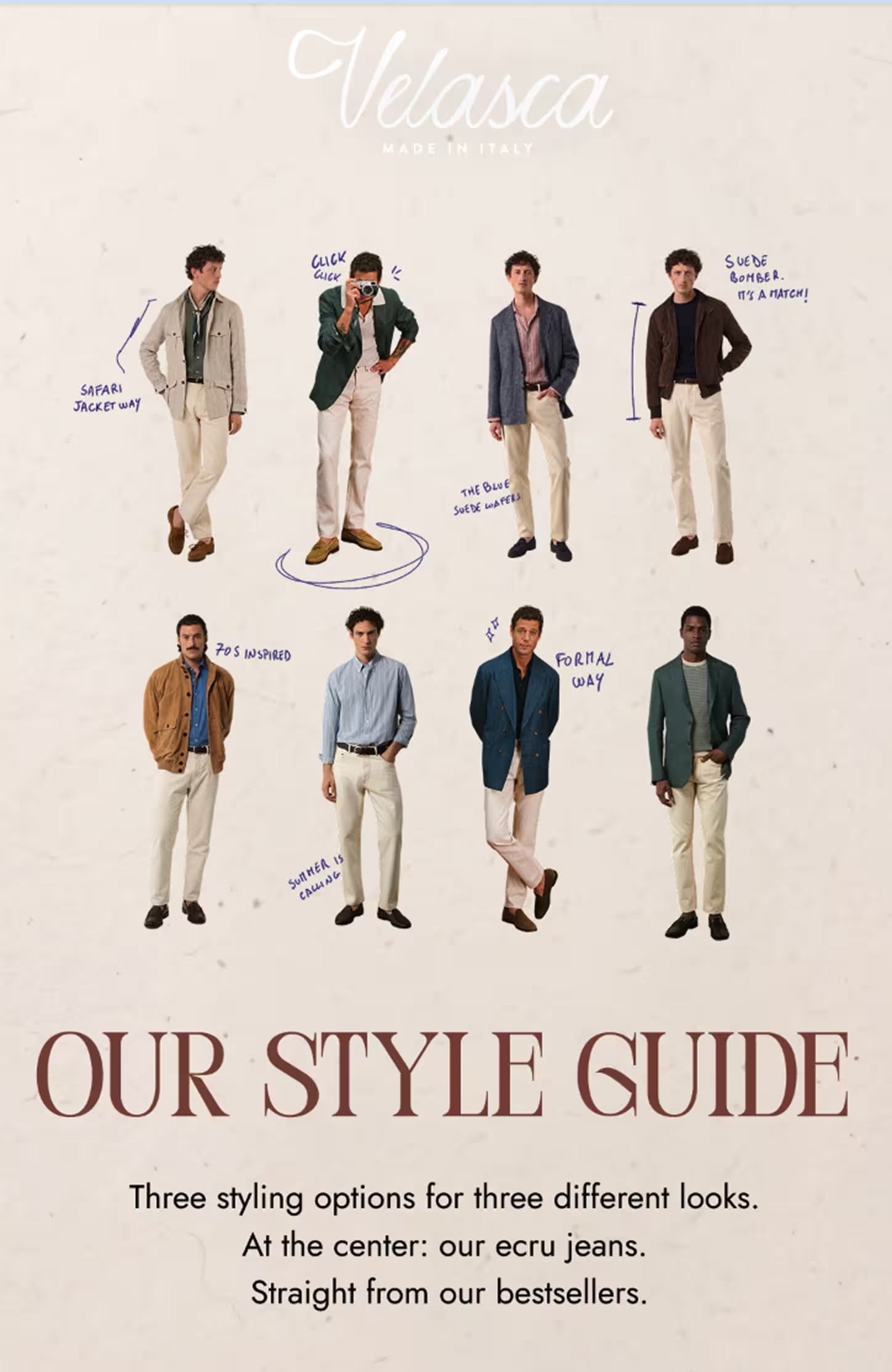
Using a single product as an anchor, the email breaks down multiple looks, such as:
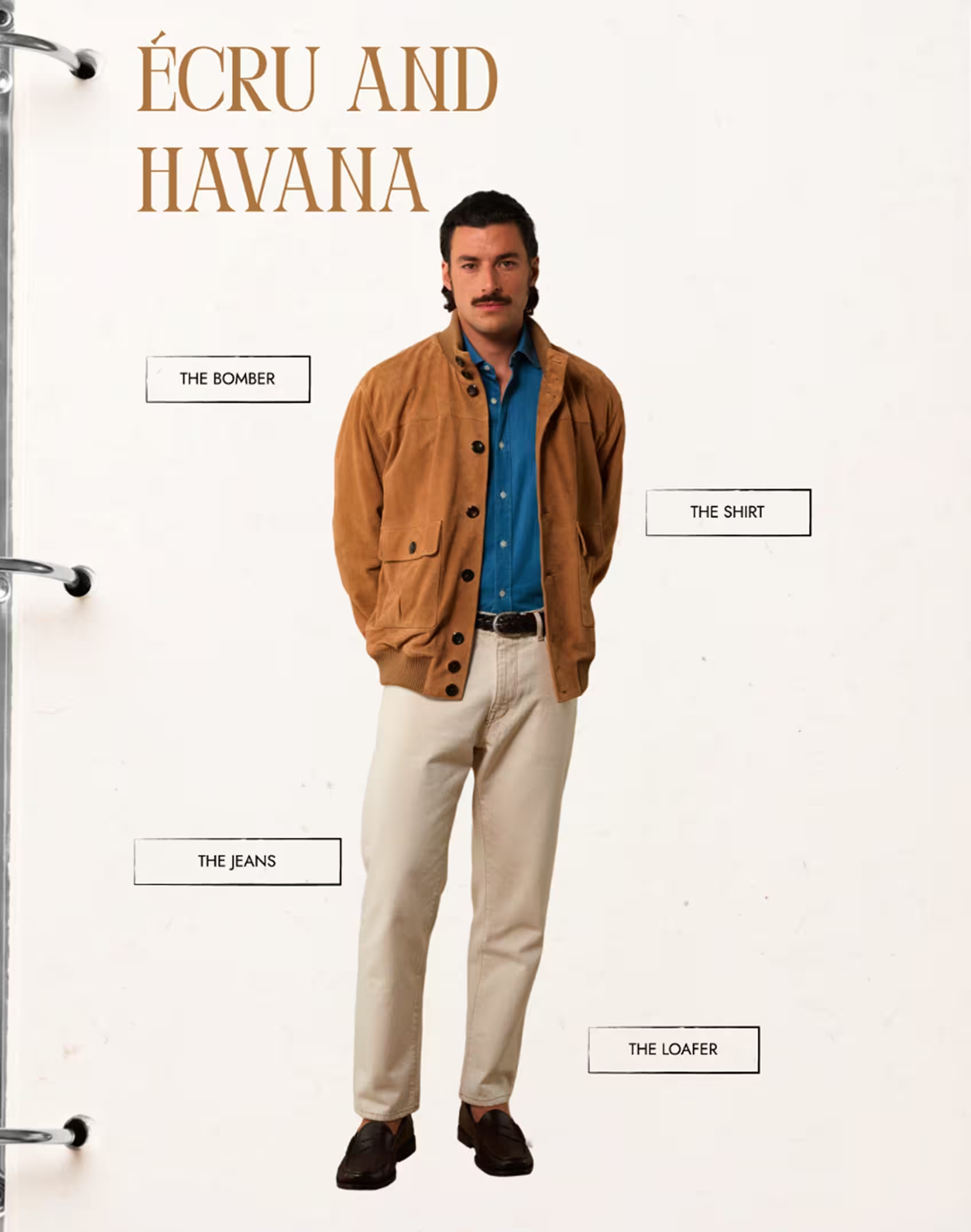
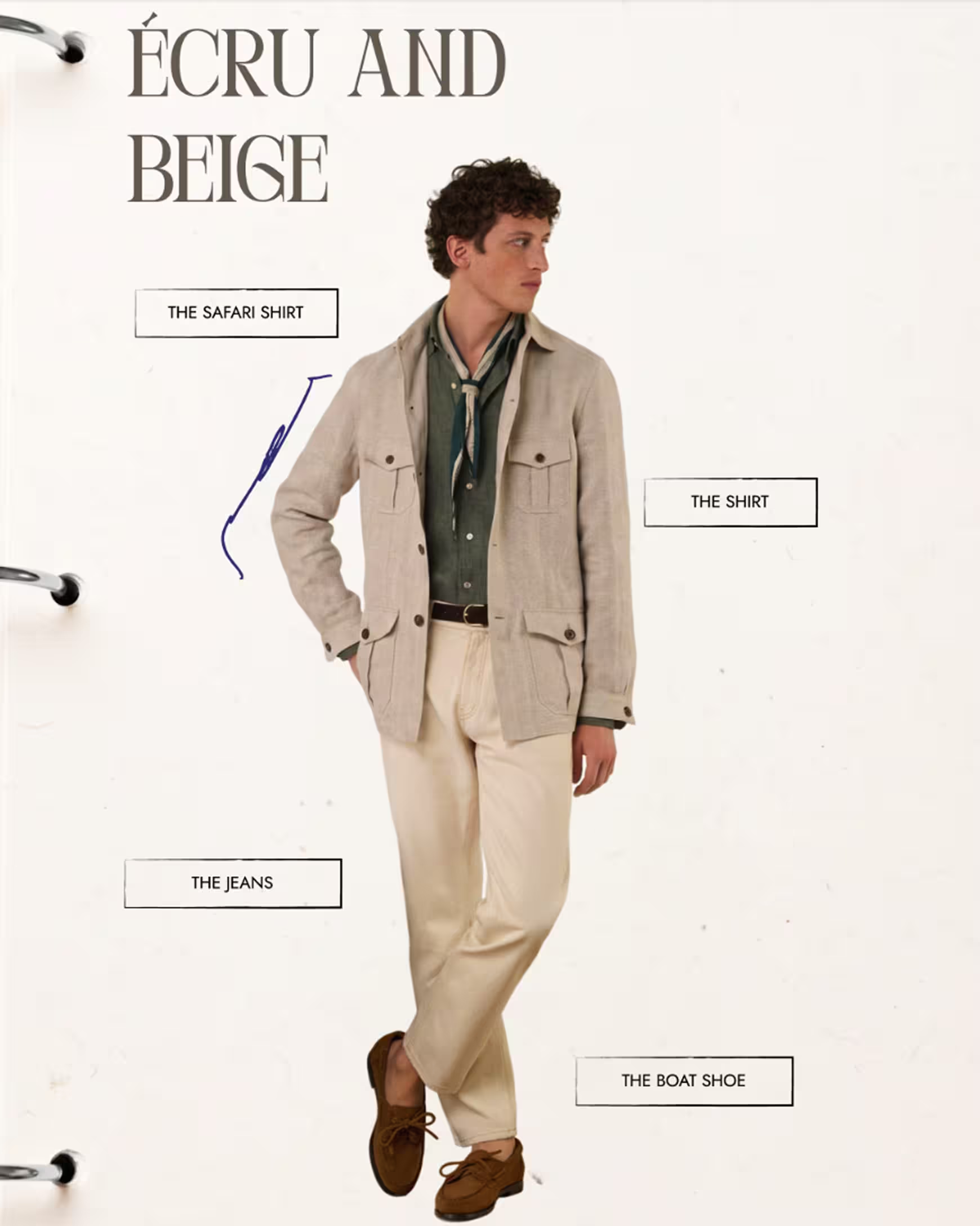
Total number of products recommended throughout the email? 10.
But it doesn’t feel salesy.
Instead, the email reads like an editorial because you are giving customers styling ideas and outfit inspiration they can screenshot and recreate.
They may not buy every product featured in the email, but they might realize that products they were not initially considering work well together. Instead of asking customers to browse your catalog, you are helping them solve potential styling problems or confusion.
4 - Back-in-stock alerts: Pinpoint the specific size or variant
For fashion brands, a product returning to stock does not necessarily mean it is available in the desired variant for every customer.
A shopper waiting for a size 8 black loafer is not interested in knowing that the same shoe is available in size 11 or a different color. The goal is to reduce buying friction, so do not make the customer click the product page CTA only to find that the color or size they were hoping for is not available.
Communicate the specific variant in the email itself, whether it be size, color, or any other variation.
Here is a back-in-stock email example by Rothy’s, a footwear and bags brand:
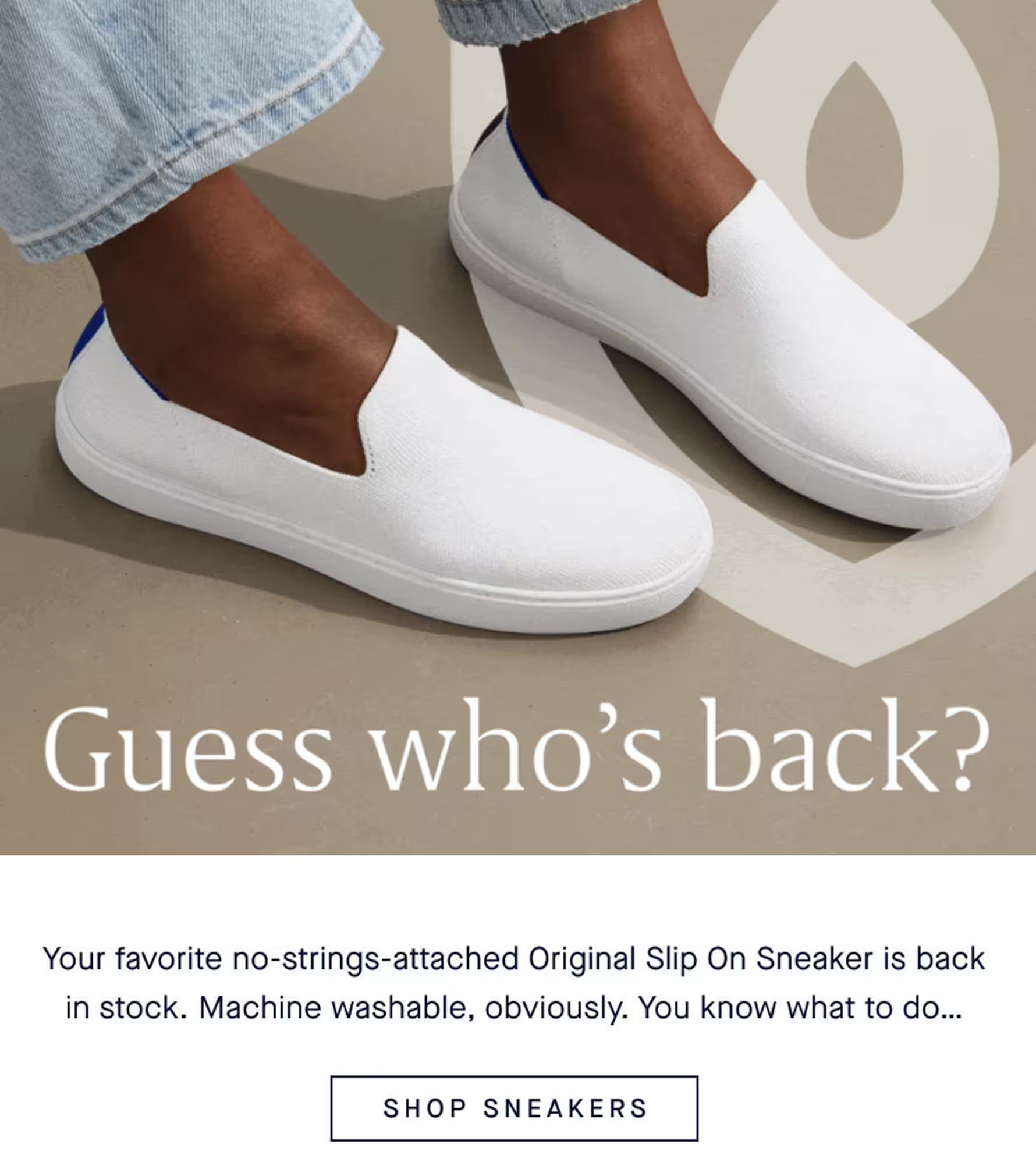
The above alone could be the entire email. Instead, the brand showcases individual color variants, with each image block being clickable and leading to the product page with the specific color pre-selected:
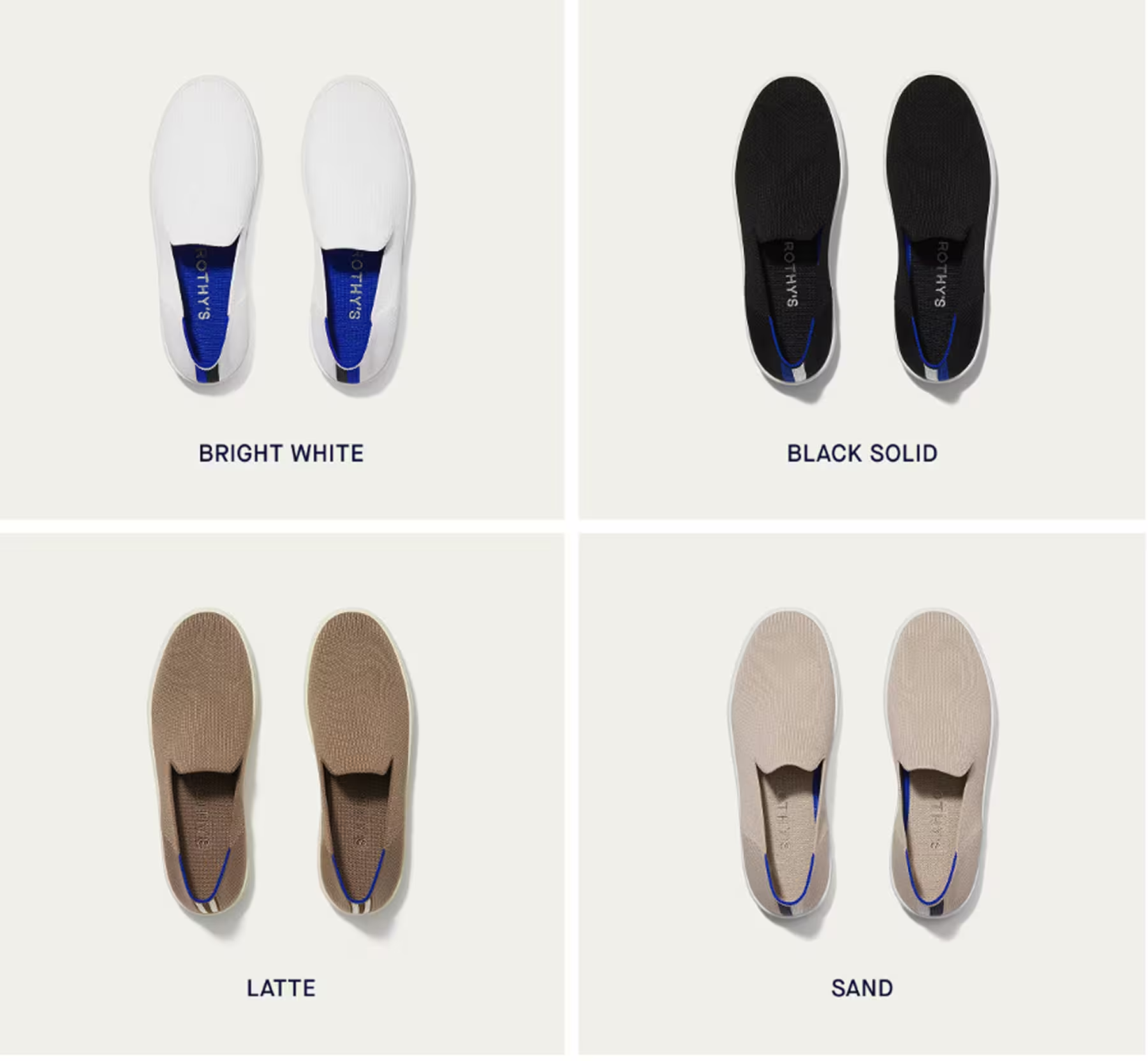
By converting the back-in-stock alert into its own mini product page, the brand lets customers immediately identify the option they are interested in.
5 - Loyalty programs: Build a community around your product
Fashion brands can expand loyalty programs beyond purchase-based rewards. Incentivize behaviors that strengthen a customer’s relationship with the brand.
For example, this is what Gymshark’s loyalty program looks like:
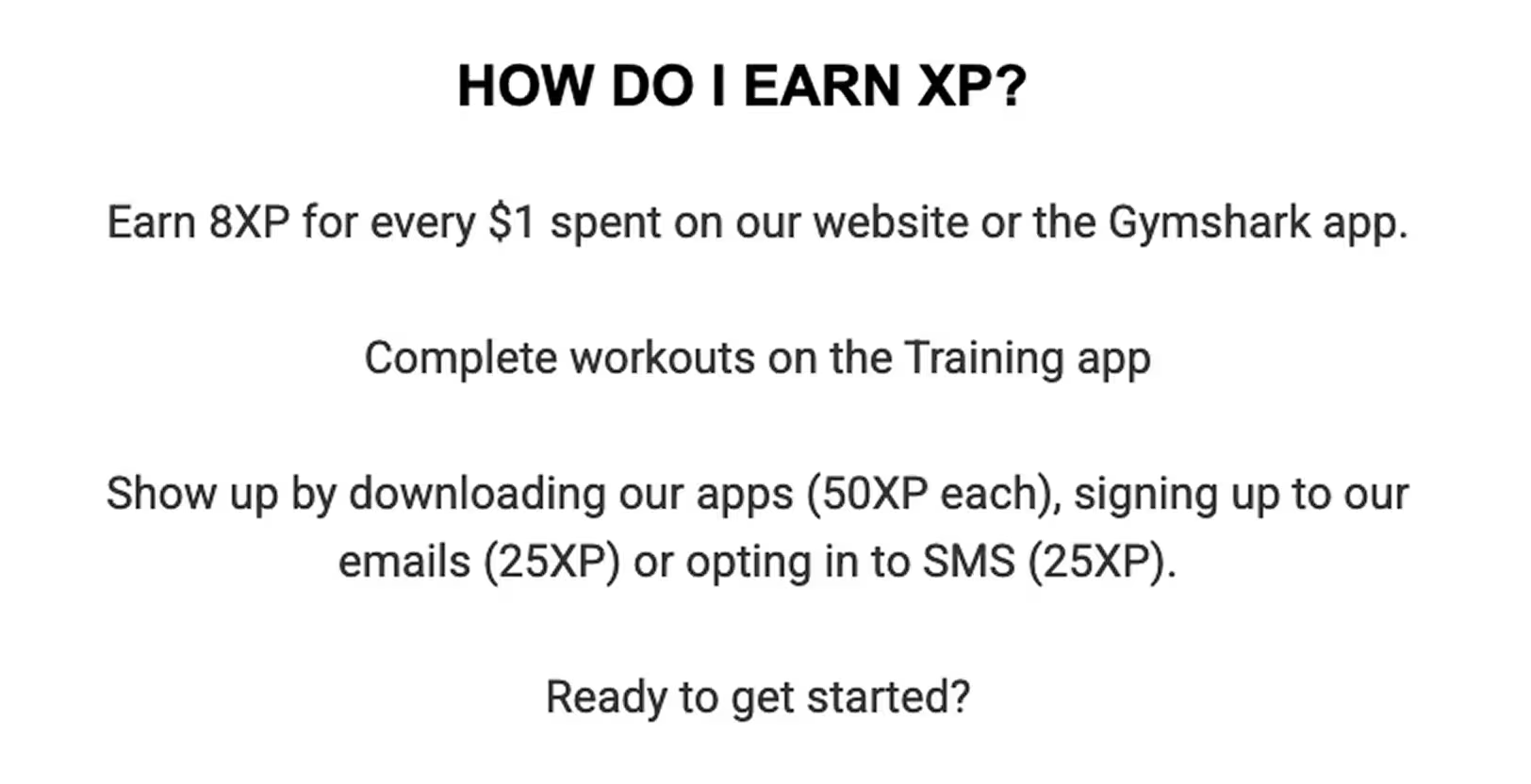
A customer can earn points not just for purchases, but also for workouts they complete on the training app.
By connecting rewards to activities customers already associate with the brand, Gymshark strengthens engagement beyond the checkout page, rather than sticking to the “earn points on each purchase” model.
How would this look for other fashion brands? Here are some ideas:
| Fashion Brand Type | Loyalty Actions |
|---|---|
| Sustainable Fashion | Repair initiatives, clothing recycling programs, and garment take-back programs |
| Luxury fashion brand | Attend a styling session in your city, participate in a VIP shopping event |
| Fashion marketplaces | Upload outfit photos with funny captions |
| Occasion Wear Brands | Share funny event stories (wedding mishaps, vacation chaos tales, etc.) and share event styling photos |
6 - Newsletter: Share your personal stories
According to 2025 data, 84% of customers are influenced by emotions, and 82% of consumers trust companies with socially active leaders, i.e., founders who are visible online.
Combine the two, i.e., be vocal about what goes into building a fashion brand in 2026, or the BTS of sourcing your material or finding models, and the ups and downs of dealing with reviews.
Sharing stories behind your brand can help strengthen a connection that goes beyond product sizes and colors.
Cassie Ho, the owner of Popflex, an activewear brand, does this eloquently in her newsletters.
What started as a newsletter featuring fitness challenges to complement her fitness influencer persona on TikTok and other social media has now been repurposed to better align with the activewear brand.
It still includes a monthly fitness challenge calendar, but also contains stories like this:
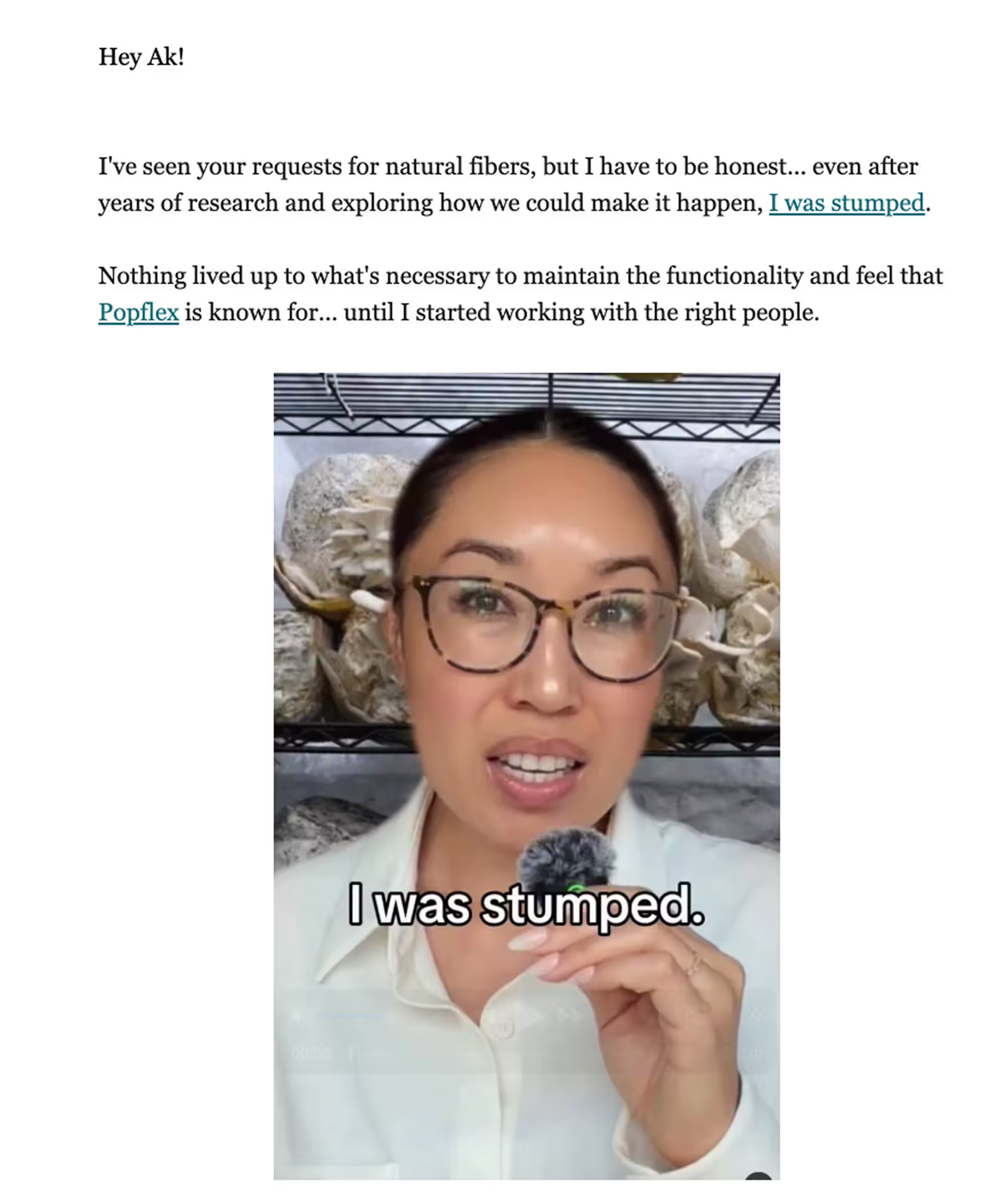
The hyperlink leads to an Instagram reel that breaks down how she overcame a product-creation obstacle, pulling viewers to her social media channels as well; you can also lay out the story in the newsletter email itself.
Customers appreciate these stories because they feel more connected to the people and decisions behind the product, rather than just its color, size, or price.
In rolling out the above automations, ensure you do not make the following mistakes:
- Sending promos and discounts for unavailable or out-of-stock products and sizes
- Sending the same lookbook to every shopper (based on their buying behavior and demographics, a lookbook that is relevant to one shopper will be redundant for another)
- Ignoring seasonality
- Sending mis-timed automations, such as an abandoned cart recovery email to someone who has just completed the purchase
Regardless of whether you run a luxury brand or a fast-fashion one, your email automations should follow some general best practices:
How to get the most out of your fashion email campaigns
Fashion brands need to focus on high-impact automations first and avoid falling into the trap of using email only for promotions. Here are some best practices fashion brands can follow for their email automations:
Focus on list building
And no, buying a list of random contacts for cold emailing does not count.
Do not wait to build a large list before sending out your first set of emails. Use discount pop-ups, giveaways, purchase-based email capture, and lead magnets to continue building your list, but start your email marketing campaigns even if your list is tiny.
Personalize post-purchase journeys
After a customer purchases a product, you will, of course, send transactional emails. But many e-commerce fashion stores go silent after the product is delivered, and that’s a missed opportunity. Continue the conversation, and add to the delivery updates.
Related reading: 11 Most Effective Marketing Automation Examples
For fashion brands, this could mean sharing styling suggestions in the order confirmation email, care instructions, fit guidance, user-generated content, or recommendations for complementary products.
A customer who purchases a linen dress may be interested in accessories that complete the look, while someone buying activewear may respond better to performance-focused recommendations.
These emails feel more helpful than promotional, which is exactly why they often generate strong engagement and repeat purchases.
Review and optimize regularly
Customer preferences change, product catalogs evolve, and what worked six months ago may not perform as well today. Make it a habit to review automation performance regularly and identify opportunities to improve engagement and conversions.
Test subject lines (for example, whether styling-led subject lines outperform discount ones), email content, send timing, calls to action, and product recommendations.
Small improvements across multiple workflows will outweigh frequent revamps of your automations.
Balance promotional and lifecycle messaging
Promotional campaigns are important, but they should not be the only emails your customers receive.
If every message is focused on discounts, shoppers can become conditioned to wait for the next sale. Lifecycle automations help create a more balanced customer experience by providing useful, relevant communication throughout the customer journey, such as:
- Welcome emails to introduce your brand
- Post-purchase emails that support customers after delivery with product education
- Win-back campaigns help re-engage inactive shoppers.
Together, these automations keep customers connected to your brand between promotional campaigns and help build longer-term loyalty.
Which email platform should fashion brands use?
For many fashion brands, Shopify's built-in email automation tools are enough to get started.
They allow you to automate common customer journeys without installing additional software, making them a practical option for smaller stores or brands that are still building out their retention strategy.
However, as your automation program becomes more sophisticated, you may find yourself wanting more flexibility or depth in relation to:
- Advanced Segmentation: Fashion brands often benefit from segments based on style preferences, product categories, size, purchase history, and engagement patterns.
- Cross-Channel Customer Journeys: Fashion customers are on the lookout for deals via SMS, reminders via web push, brand BTS on social media, and lookbooks via email. So fashion marketing needs to go beyond email, and to track everything, brands will require external apps.
- Complex Lifecycles: Fashion does not follow a linear lifecycle, nor does it have a predictable replenishment path. Brands running multiple customer journeys across different segments may eventually need more advanced workflow capabilities.
As your store scales, you may look for other options, such as Klaviyo, Omnisend, Brevo, and other email apps for fashion brands.
Choose email marketing platforms with pre-built automation templates so you do not have to create every campaign from scratch. Some email marketing software comes with integrations to WooCommerce, Zapier, and other tools to help you create effective email marketing automations.
Scale your fashion email automations with Brevo
The difference between generic and high-performing automations is the “boring” variables: the quality of customer data, hyper-personalization in email messaging and timing, and cross-channel communication.
As your catalog grows from 20 products to 500 SKUs, manually maintaining segments for dress shoppers, sneaker buyers, VIP customers, and seasonal collections becomes increasingly difficult.
Brevo helps fashion brands go beyond basic automations and reduce pressure on email campaigns by layering SMS and web push notifications.
With pre-built automations, you do not have to start from scratch and can focus on delivering the right message to your customer at the right time.
Start scaling fashion automations with Brevo for free today!
Join 600,000+ customers around the world who trust Brevo